
Nationwide Code Compliance Support
South Dakota Elevator Code 2026
Regulations & Standards
Switch to Cellular Phone Lines and Save 30% or More!
Find the latest information on South Dakota Elevator Code, laws, and safety standards. Our directories are updated monthly and include website links to help you quickly find the elevator codes and regulations for the state of South Dakota (SD)
South Dakota elevator codes impose a responsibility on building owners and property managers to adhere to specific requirements within elevators, ensuring the safety of all occupants. Failure to comply with these codes can result in penalties and potential legal action. While the particulars of the South Dakota elevator code may differ at the state and local levels, three primary codes govern elevator safety: the American Society of Mechanical Engineers (ASME), the International Building Code (IBC), and the Americans with Disabilities Act (ADA).
ADA
The Americans with Disabilities Act (ADA) mandates unrestricted and equal access to services for individuals with disabilities.
IBC
The International Building Code (IBC) establishes precautions against hazards associated with constructed environments.
ASME
The American Society of Mechanical Engineers (ASME) plays a pivotal role in the development of codes and standards.
The State of South Dakota (SD) currently operates under the 2019 ASME A17.1 and CSA B-44 Code
South Dakota Elevator Code Authority
Authorities having jurisdiction are those government officials who are the final authority on questions in a particular area (or jurisdiction). We could not locate a South Dakota elevator division at this time. We have contacted the State and will update this web page as soon as more information is available.
We suggest you contact your local counties and municipalities regarding elevator safety and permitting requirements before proceeding with any elevator work. It is also important to note that ASME A17.1a states that all elevators have the annual pressure or safety test, and, if applicable, the five-year full load test.
Department of Labor and Regulation
Elevator Cellular Phone Lines
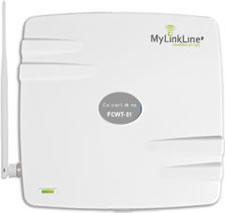
How to eliminate the cost of traditional elevator phone lines and save 35% or more. Our cellular elevator phone lines conform to ASME, ADA, and IBC codes, encompassing all requirements of the South Dakota elevator code.
South Dakota Elevator Code – Elevator Phone Requirements ASME A17.1
- Two-way communication between elevator and authorized personnel
- On-site communications if over 60 ft of travel
- Communication between the elevator if elevator has remote machine room
- Answer by live authorized personnel – no automated answering
- Communication capability for onsite emergency personnel
- On-site monitoring if staffed 24/7 by authorized personnel
- Location identification on demand to authorized personnel
- Location identification without voice communication
- Hands-free devices only and telephone handsets are not allowed
- Phone automatlly answers when calling into elevator
- Automatic redirect if no answer onsite
- Monitoring the status of local telephone lines and issuing local alerts
Please be advised that we are committed to consistently delivering accurate and current adoption information. We diligently update our records as new South Dakota elevator code information becomes available.
Code Compliance Guidelines
Code baseline for building and fire safety
In South Dakota, the South Dakota Elevator Code conversation usually starts with what your local jurisdiction has adopted, because South Dakota’s statewide fire safety rules incorporate the International Building Code (IBC) by reference for many life safety topics that touch elevators, shafts, and machine rooms. Treat the applicable code set as a local compliance question first, then confirm what applies to the building’s occupancy, use, and alteration scope so you are not surprised at inspection time.
Local authority and enforcement reality
For many owners, the South Dakota Elevator Code obligations are shaped by the authority having jurisdiction, which can vary by city or county and by project type. Before a modernization, tenant improvement, or change of use, confirm which office is reviewing plans, which inspector signs off, and what documentation they expect for life safety features related to elevators.
Inspections and posted certificates
A practical way to manage South Dakota Elevator Code risk is to treat every inspection as a documentation event. Keep the most recent inspection certificate or approval record available for the inspector and your service provider, and track renewal expectations internally so you do not miss a recurring compliance date that can delay occupancy, trigger reinspection, or increase liability after an incident.
Permits and plan review for alterations
When you change equipment, wiring, controllers, doors, or cab components, South Dakota Elevator Code compliance often hinges on whether the work is considered an alteration that requires permits and plan review. Define the scope early, confirm what drawings or specifications are required, and document the final acceptance so the next inspection is straightforward.
Modernization and code upgrade triggers
Even if an elevator has operated for years, South Dakota Elevator Code requirements can change when a modernization introduces new components or reclassifies the work. Use a simple checklist to decide whether the project triggers additional safety features, testing, or documentation, and make sure the contractor’s closeout package matches what the AHJ will ask for.
Maintenance records that inspectors ask for
The safest approach to South Dakota Elevator Code readiness is consistent records. Maintain service logs, testing documentation, contact lists, and any manufacturer or installer notices in a single place, because inspectors and contractors often need proof that safety features are maintained and that corrective actions were completed.
Qualified contractors and licensing questions
Because elevator work is specialized, South Dakota Elevator Code compliance depends on using qualified elevator contractors and keeping vendor credentials current. Confirm who is responsible for inspections, callbacks, and after hours response, and make sure the building’s points of contact are accurate so emergencies do not turn into extended outages.
Variances and equivalencies
If site conditions make strict compliance difficult, South Dakota Elevator Code issues may be handled through a variance, equivalency, or AHJ approved alternative method. The key is written approval. Capture the decision, any conditions, and the effective date, then store it with the elevator’s permanent records so it is not lost during staff turnover.
Emergency phone reliability expectations
Elevator emergency communications are a common focus during South Dakota Elevator Code reviews because reliability matters during power events, line failures, and network issues. Use a solution that stays online, provides a clear path to responders, and supports accessibility. MyLinkLine offers cellular emergency phone service designed to meet applicable ADA, IBC, and ASME A17.1 requirements and can add FirstNet priority on AT&T where appropriate.
Monitoring and response procedures
For property teams, South Dakota Elevator Code risk drops when you can prove the phone is monitored and the response path is defined. MyLinkLine provides 24 hour US based emergency phone monitoring and dispatch support options, with configurable notification methods such as email, text, and live transfer, so the right contacts get the alert and you can document how calls are handled.
Inspection ready documentation and lifecycle value
To keep South Dakota Elevator Code work simple, align your telecom records with your elevator records. MyLinkLine supports compliance readiness by providing a monitored cellular line replacement strategy, documented contact routing, and a lifetime product warranty for its equipment, helping reduce avoidable service calls and helping keep emergency phones available when inspectors and tenants expect them to work.
Emergency Elevator Phones
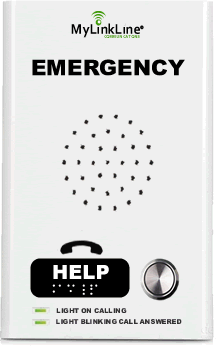
MyLinkLine will only install elevator telephones that meet code requirements. We also comply with ADA, ASME, ANSI and IBC codes in addition to all State and Local requirements if applicable. Volume pricing available.

Elevator Phone Monitoring Service
Our dispatch center has been delivering professional service for over twenty years. Our staff has extensive technical and interpersonal training to assist in emergency and non-emergency situations.
Lifetime Product Warranty
If any part of your elevator telephone(s) or elevator cellular landline fails at any time during your lifetime due to a defect in material or workmanship, we will repair or, at our option, replace the defective device at our cost***
Frequently Asked Questions
Elevator Code and Inspection Compliance
What does the South Dakota Elevator Code mean for existing buildings?
It is the set of elevator-related safety expectations that apply to your property based on the codes adopted by your local authority and the scope of work you are performing. For an existing elevator, the practical focus is inspection readiness, proper records, and making sure life safety features like emergency communications function the way the inspector expects.
Who enforces elevator requirements in South Dakota?
Enforcement typically runs through the authority having jurisdiction for the building and the project type. If you manage multiple sites, create a simple matrix of which office reviews plans, who performs or accepts inspections, and which forms or certificates they require. That local reality is what makes South Dakota Elevator Code compliance feel different from state to state.
Does the South Dakota Elevator Code change when I modernize an elevator?
Yes. Alterations and modernizations can trigger additional requirements, new testing, or updated documentation even if the elevator has been in service for years. The best approach is to define the scope in writing, confirm permit and plan review needs early, and require a closeout package that supports the next inspection.
What should I keep on file for inspections and renewals?
Keep the most recent approval or inspection paperwork, service logs, testing documentation, and any written decisions from the AHJ in one place. If your building has emergency phones, keep the vendor contact routing information and monitoring details available as well, because that documentation can help answer questions quickly during a South Dakota Elevator Code inspection.
How can MyLinkLine help with emergency phone compliance?
MyLinkLine offers cellular emergency phone service and 24-hour monitoring options that are designed to support accessibility and reliable call handling. The service can replace aging analog lines, provide configurable notifications to your team, and help you maintain records showing how calls are routed and who is notified, which makes it easier to demonstrate an organized response process.
Other Useful MyLinkLine Resources