

Nationwide Code Compliance Support
Ohio Elevator Code 2026
Regulations & Standards
Switch to Cellular Phone Lines and Save 30% or More!
Find the latest information on Ohio Elevator Code, laws, and safety standards. Our directories are updated monthly and include website links to help you quickly find the elevator codes and regulations for the state of Ohio (OH)
Ohio elevator codes impose a responsibility on building owners and property managers to adhere to specific requirements within elevators, ensuring the safety of all occupants. Failure to comply with these codes can result in penalties and potential legal action. While the particulars of the Ohio elevator code may differ at the state and local levels, three primary codes govern elevator safety: the American Society of Mechanical Engineers (ASME), the International Building Code (IBC), and the Americans with Disabilities Act (ADA).
ADA
The Americans with Disabilities Act (ADA) mandates unrestricted and equal access to services for individuals with disabilities.
IBC
The International Building Code (IBC) establishes precautions against hazards associated with constructed environments.
ASME
The American Society of Mechanical Engineers (ASME) plays a pivotal role in the development of codes and standards.
The State of Ohio (OH) currently operates under the 2019 ASME A17.1 and CSA B-44 Code
Ohio Elevator Code Authority
The Elevator Section performs all new acceptance and alteration inspections, followed by two inspections per year on most elevators and other vertical public transportation devices in the state of Ohio (excluding Cincinnati and Cleveland, they conduct their own inspections.) We issue over 32,000 certificates of operations along with reviewing installation and alteration permits to ensure their compliance with the most current standards.
The elevator owner/representative is responsible for overseeing the corrections of all violations; however, your elevator maintenance contract may cover repair of some or all violations. You should contact your elevator maintenance company to determine who is responsible: you, the elevator maintenance company or both.
The State of Ohio elevator inspection section is responsible for ensuring that all inspections required to be conducted by the Ohio Revised Code are completed in a timely manner. This includes inspections conducted by both general as well as special inspectors. In addition, the inspections must be performed with proper accountability as outlined in the Ohio Administrative Code. Inspections and inspectors are subject to review and monitoring.
When conducting inspections in Ohio, Insurance (Special) Inspectors must be conducting inspections on behalf of an insurance company, (self-insured does not qualify) that holds the coverage for the building where the equipment is located. Ohio law does not permit the owner of a building to have the authority to “authorize” an inspection be conducted in lieu of the State of Ohio for issuance of a Certificate of Operation. Only an insurance company can employ or utilize a Special (Insurance) Inspector. All Special (Insurance) Inspectors must have a current Ohio Certificate of Competency in order to perform inspections in the State of Ohio. (excerpt from state website)
Ohio ELevator Code Authority
Please be advised that we are committed to consistently delivering accurate and current adoption information. We diligently update our records as new Ohio elevator code information becomes available.
Elevator Cellular Phone Lines
How to eliminate the cost of traditional elevator phone lines and save 35% or more. Our cellular elevator phone lines conform to ASME, ADA, and IBC codes, encompassing all requirements of the Ohio elevator code.
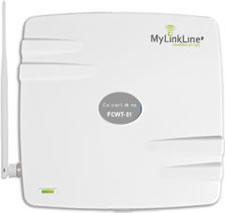
Ohio Elevator Code – Elevator Phone Requirements ASME A17.1
- Two-way communication between elevator and authorized personnel
- On-site communications if over 60 ft of travel
- Communication between the elevator if elevator has remote machine room
- Answer by live authorized personnel – no automated answering
- Communication capability for onsite emergency personnel
- On-site monitoring if staffed 24/7 by authorized personnel
- Location identification on demand to authorized personnel
- Location identification without voice communication
- Hands-free devices only and telephone handsets are not allowed
- Phone automatlly answers when calling into elevator
- Automatic redirect if no answer onsite
- Monitoring the status of local telephone lines and issuing local alerts
Code Compliance Guidelines
Quick compliance snapshot
Ohio Elevator Code compliance is tied to Ohio’s elevator rules, inspections, permits, and the documentation that proves your unit is approved to operate. Owners and property managers do best when they treat this like an ongoing program, not a one-time project. Keep your elevator inventory current, track inspection dates, retain prior reports, and build a renewal calendar so nothing expires unexpectedly. When you plan modernization work, align contractor licensing, permitting, and inspection closeout early so the elevator can remain in service with minimal disruption.
Adopted standard and effective date
Ohio Elevator Code is currently aligned to ASME A17.1 2019 and ASME A17.3 2020, effective July 1, 2024, as reflected in Ohio’s published referenced standards tables and adoption materials. That date matters when you are scoping new installations, alterations, and major repairs because the approved design approach and inspection expectations track the adopted edition in force. If a project spans multiple months, confirm your permit and inspection path early so you do not get surprised by an edition change mid-project.
Who enforces and who has jurisdictionThe
Ohio Elevator Code rules are adopted by the Ohio Board of Building Standards and enforced through the Division of Industrial Compliance within the Ohio Department of Commerce. In practice, that means permitting, inspections, and licensing requirements often flow through state-level processes unless a local authority is explicitly running a separate program for a specific jurisdiction. For multi-site owners, the safest approach is to confirm the authority having jurisdiction for each property address before you assume the same procedures apply everywhere.
Routine inspections and acceptance inspections
Ohio Elevator Code readiness starts with inspection preparation, including new acceptance inspections for new equipment and inspection activity tied to alterations. Build a simple inspection binder for each elevator with the last inspection report, corrective actions, test records, and contact details for the maintenance provider. When something fails inspection, move quickly on repairs and keep clear proof of corrections so re-inspection can be closed efficiently. Consistent documentation is one of the easiest ways to reduce downtime risk.
Certificate of Operation and posting
Ohio Elevator Code compliance is commonly demonstrated through a valid Certificate of Operation and the supporting inspection records that led to approval. Owners should confirm that each elevator has the required documentation available for audit, insurer requests, and tenant or guest safety concerns. If you manage hotels or high-traffic buildings, treat a missing or expired certificate as a priority issue because it can create operational exposure and delay approvals on related construction work.
Renewals and tracking
Ohio Elevator Code administration expects renewals and updates to stay current, which is why a renewal calendar is a practical control for owners and contractors. Tie each elevator to a unique identifier in your asset list, then track inspection due dates, open deficiencies, and certificate status in one place. If you change maintenance vendors or ownership changes hands, a clean compliance file makes the transition smoother. Simple tracking reduces scrambling and keeps elevators operating without surprises.
Permits and plan review for installs and alterations
Ohio Elevator Code permitting applies to installation, alteration, and repair work that requires state approval before work begins. This is especially important for modernization scopes where multiple subsystems change, and testing and inspection steps must be coordinated to return the elevator to service. Plan review lead times and permit timelines should be built into the project schedule, not treated as afterthoughts. Contractors should confirm what must be submitted, and owners should confirm who is responsible for the permit application and closeout.
Contractor and mechanic licensing
Ohio Elevator Code work is tied to licensing requirements for both business entities and individuals providing conveyance services in Ohio. Owners should verify licensing status before work starts, especially when bidding multiple properties or fast-tracking a repair. Contractors should keep license documentation ready for permitting, inspection coordination, and customer compliance files. Confirming licensing early reduces project delays and helps protect owners from compliance issues tied to unqualified work.
Special inspections and recordkeeping
Ohio Elevator Code documentation can include special inspection activity and authorization-related paperwork when inspection reporting is not handled exclusively through a state inspector. If your building uses special inspection processes, confirm what forms, credentials, and submission methods are required so reports are accepted without rework. Owners should keep inspection reports, authorizations, and corrective action records together to maintain continuity from cycle to cycle. Strong recordkeeping improves outcomes and reduces repeat site visits.
Variances, appeals, and field interpretations
Ohio Elevator Code issues sometimes involve unique building constraints, interpretation questions, or alternate methods that still meet safety intent. Ohio has appeal structures and boards referenced in its administrative framework, but owners should approach relief requests with clear documentation and a safety-based rationale. A good submittal explains the condition, why strict compliance is impractical, and how the proposed solution preserves the safety objective. When handled well, this process can keep projects moving without sacrificing safety.
Emergency communication reliability and MyLinkLine support
Ohio Elevator Code expectations include dependable in-car emergency communication so trapped passengers can reach help when it matters. MyLinkLine helps by replacing aging landlines with elevator cellular phone lines designed for elevator emergency use, supporting consistent call completion and easier ongoing testing. If your site needs additional resilience, MyLinkLine offers an option using AT&T FirstNet, where available, to prioritize connectivity on Band 14 for eligible users. This helps simplify compliance by making the emergency line more reliable and easier to document over time.
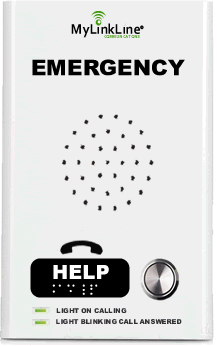
Emergency Elevator Phones
MyLinkLine will only install elevator telephones that meet code requirements. We also comply with ADA, ASME, ANSI and IBC codes in addition to all State and Local requirements if applicable. Volume pricing available.

Elevator Phone Monitoring Service
Our dispatch center has been delivering professional service for over twenty years. Our staff has extensive technical and interpersonal training to assist in emergency and non-emergency situations.

Lifetime Product Warranty
If any part of your elevator telephone(s) or elevator cellular landline fails at any time during your lifetime due to a defect in material or workmanship, we will repair or, at our option, replace the defective device at our cost***
Frequently Asked Questions
Elevator Code and Inspection Compliance
What is the Ohio Elevator Code and where do I find the official rules?
Ohio’s elevator requirements are primarily defined in the Ohio Administrative Code sections that cover elevators and referenced standards. The most reliable approach is to confirm the current effective date of the rules and then review the referenced standards tables that list the adopted ASME editions. Contractors and owners should also check the Ohio Department of Commerce Industrial Compliance resources for licensing, forms, and program guidance.
When do I need a permit for elevator work in Ohio?
Many installations, alterations, and repairs require a permit before work begins. If you are modernizing controls, doors, machines, or safety systems, assume permitting and inspection coordination will be part of the scope. Ohio Elevator Code compliance is easier when the permit plan, submittal documents, and inspection schedule are aligned before equipment arrives on site.
Are existing elevators required to be upgraded to the newest standard automatically?
Not always. Ohio’s framework includes guidance that rules are generally not retroactively applied to existing elevators unless they are being altered or repaired, and portions not affected by an alteration may not be required to meet new elevator provisions. The practical takeaway is to confirm requirements based on the exact scope of work, not assumptions. Your inspector or authority having jurisdiction can clarify how the rule applies to your specific modernization plan.
What documentation should I keep ready for inspections under the Ohio Elevator Code?
Keep your latest inspection report, corrective action documentation, relevant test records, and proof that the elevator is approved to operate. Store these files per elevator, not per building, so you can retrieve them quickly when a vendor changes or a manager transitions. A simple digital folder structure saves time and reduces the risk of delays when you are trying to close out an inspection cycle.
How do I verify an elevator contractor or mechanic is properly licensed?
Ask for the contractor license and the mechanic license information up front, then verify through the Ohio licensing resources used by the Division of Industrial Compliance. Licensing verification should be part of vendor onboarding, not something you do after the job is underway. This protects owners, speeds up permit workflows, and reduces the chance of inspection complications.
How can MyLinkLine help with emergency phone compliance?
MyLinkLine supports Ohio Elevator Code compliance by providing elevator cellular phone lines that replace aging landlines and are designed for dependable emergency calling with simpler ongoing testing. That helps owners document that the emergency communication path is working and reduces failures tied to outdated phone infrastructure. For sites that need added resilience, MyLinkLine can also provide an option using AT&T FirstNet, where available, to prioritize connectivity for eligible users.
Other Useful MyLinkLine Resources